
- Home
- All
- Swing Gate Kits

- COUPER24 Kits
- Up to 2 Metres & 150KG Per Leaf
- • Couper24 Double Kit
- • Couper24 Single Kit
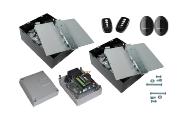
- Intro 400 Kits
- Up to 4 Metres & 500KG Per Leaf
- • Intro 400 Double Kits
- •Intro 400 Single Kits

- Jet 24 Kits
- Up to 3 Metres & 600KG Per Leaf
- • Jet24 Double Kit
- • Jet24 Single Kit
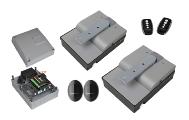
- Intro Small Kit
- Up to 2.3 Metres & 400KG Per Gate Leaf
- •Into Small Double Kit
- •Into Small Single Kit
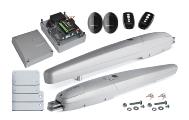
- Jet XL Kits
- Up to 6 Metres & 750KG Per Leaf
- • Jet XL Double Kit
- • Jet XL Single Kit

- Mini Modus Kits
- Up to 2 Metres & 250KG Per Leaf
- •Mini Modus Double Kit
- • Mini Modus Single Kit

- Linear 400Kits
- Up to 2.5 Metres & 300KG Per Leaf
- •Linear 400 Double Kit
- • Linear 400 Single Kit

- Modus 280 Kits
- Up to 2.8 Metres & 300KG Per Leaf
- •Modus 280 Double Kit
- •Modus 280 Single Kit

- Linear 500 Kits
- Up to 4.5 Metres & 300KG Per Leaf
- • Linear 500 Double Kit
- •Linear 500 Single Kit

- Modus XL Kits
- Up to 4.2 Metres & 500KG Per Leaf
- • Modus XL Double Kit
- • Modus XL Single Kits
- Sliding Gate Kits

- Dynamos 400/24 Kit
- For Sliding Gates up to 400KG
- Battery back up available
- Low, Medium and High Use

- Dynamos 1800/24 XL
- For gates up to 1800KG
- Battery Back-up Available
- Residential and Industrial

- Dynamos 600/24 Kit
- For Sliding Gates up to 600KG
- Battery Back-up Available
- Low, Medium and High Use

- Dynamos 2500/230 XL
- For gates up to 2500KG
- Battery Back-up Not Available
- Residential and Industrial
- Dynamos 1000/24 Kit
- For Sliding gates up to 1000KG
- Battery Back-up Available
- Low, Medium and High Use
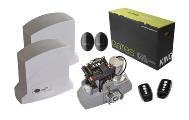
- Dynamos 500 Twin Kit
- 500KG Per Gate 1000KG Combined
- Battery Back-up Not Available
- Low to Medium Use

- Dynamos 500/230 Kit
- For Sliding Gates up to 500KG
- Battery Back-up Not Available
- Low to Medium Use
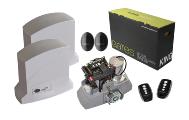
- Dynamos 600 Twin Kit
- 600KG Per Gate 1200KG Combined
- Battery Back-up Available
- Low, Medium and High Use
- Dynamos 1000/230 Kit
- For Sliding gates up to 1000KG
- Battery Back-up Not Available
- Low to Medium Use

- Sliding Gate Rolling Gear
- Wheels, Track & rollers
- Keeps & Foundation Plates
- Stops & Toothed Rack
- Garage Door Kits
- Coming Soon
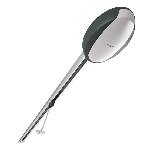
- ROLLS-K700
- 700N - 10 Square Metres
- 3 Metre Rail
- Coming Soon
- ROLLS-K1200/3
- 1000N - 14 Square Metres
- 3 Metre Rail
- Coming Soon
- ROLLS-K1200/4
- 1000N - 14 Square Metres
- 4 Metre Rail
- Now Available

- ELEVOK 620
- 620N - 8.5 Square Metres
- 3 Metre Rail
- Coming Soon
- ELEVOK 1000/3
- 1000N - 11 Square Metres
- 3 Metre Rail
- Coming Soon
- ELEVOK 1000/4
- 1000N - 11 Square Metres
- 4 Metre Rail
- Intercoms
- WiFi Intercoms With App
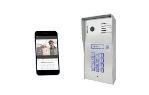
- KSWF02 WiFi Intercom
- With App & Surface Keypad
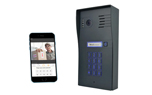
- KSWF02B WiFi Intercom
- With App - Surface Keypad

- KSWF03 WiFi Intercom
- With App & Flush Keypad

- KSWF05 WiFi Intercom
- App - Keypad & Monitor

- KSWF06 WiFi Intercom
- With App - Keypad & Monitor
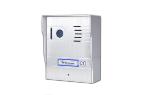
- KSWF01 WiFi Intercom
- With App Connection
- Wired Video Intercoms

- HWDD01 Video Intercom
- With WiFi App & Keypad

- HWDD02 Video Intercom
- With WiFi App & Keypad

- HWDD03 Video Intercom
- With WiFi App

- 2 Easy KP Kit
- 2 Wire With Keypad

- 2 Easy Kit
- 2 Wire System

- Eco Video Kit
- 4 Wire System
- GSM INTERCOMS
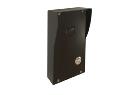
- GSM Eco Back
- 2G GSM Intercom
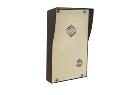
- GSM Eco
- 2G GSM Intercom
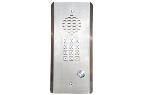
- GSM KP1B
- 4G Intercom with Keypad
- Audio Entry Phones
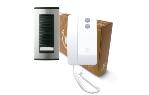
- BPT TAAG1 Kit
- Audio Entry Phone
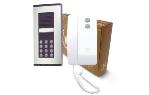
- BPT TAKAG1 Kit
- Audio with Keypad

- BPT ATG Hand Set
- Replacement BPT Handset
- Gate Access
- EXTERNAL KEYPADS

- KP04 Stainless keypad
- 2 Relays - Back-lit

- KP05 Back-Lit Keypad
- 2 relays & Prox Reader
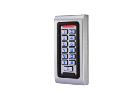
- KP01 Back-Lit Keypad
- 1 relay & Prox Reader
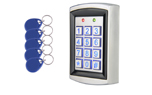
- KP06 Back-Lit Keypad
- 2 relays & Prox Reader

- Digy Pad - Radio Keypad
- Back-lit Buttons 433Mhz
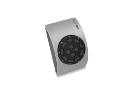
- Novo Digy - Radio Keypad
- Stylish Design 433Mhz
- SMARTPHONE ACCESS

- Clavis Dongle -2.4 GHz Wi-Fi
- Access By Clavis App
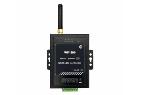
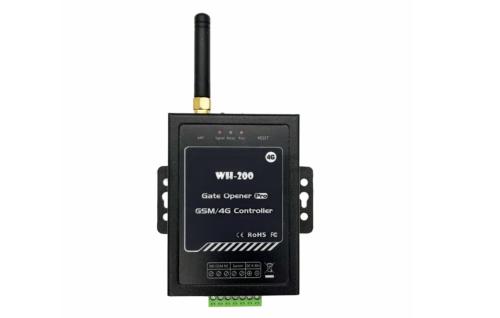
- 4G GSM Opener
- Assess By Call & Text

- KP03 Wi-Fi Touch Pad
- Access by App-Code-Prox
- LOOP DETECTORS
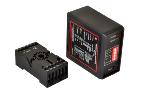
- PD132 - Single Channel
- 24 Volt - For Exit or Safety
- PD132 - Single Channel
- 230 Volt - For Exit or Safety

- PD0234 - Double Channel
- 12 to 24v For Exit or Safety
- GROUND LOOP CABLE
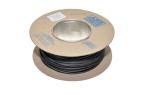
- Loop Cable 50
- 50 Metre Roll
- Loop Cable 100
- 100 Metre Roll

- Loop Cable 500
- 500 Metre Roll
- PRXIMITY TAGS

- Prox 01
- Pack Of 1 X Tag -125Khz

- Prox 10
- Pack Of 10 Tags - 125Khz

- Prox 50
- Pack Of 50 Tags - 125Khz
- Accessories
- Remotes
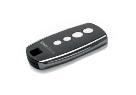
- Stylo 4K Black
- 4 Button Remote - 433Mhz
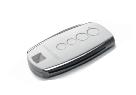
- Stylo 4K White
- 4 Button Remote - 433Mhz
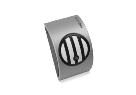
- Novo TX4 - Wall Mount
- 4 Button Remote - 433Mhz
- EXTERNAL EXIT BUTTONS
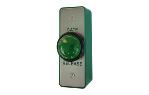
- Gate Release
- Slim Line - IP66 Rated
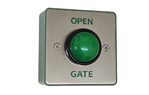
- Oper Gate Button
- Standard Size - IP65 Rated

- Flush Button
- Standard Size - IP65 Rated
- External KEY SWITCHES
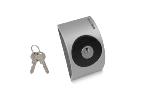
- Novo Click
- Resetting Key switch
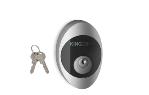
- Click 30
- Resetting Key switch
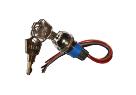
- Key switch
- Manual reset
- RADIO RECEIVERS 433MHz
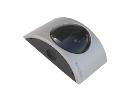
- Novo RX2 - 2 Channel
- Timed or Toggle Relays
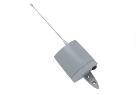
- Freddy 2 - 2 Channel
- Timed Relays

- Ant433
- Universal Antenna 433Mhz
- Gate Locks
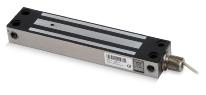
- Magnetic Locks
- Mag Locks and Brackets
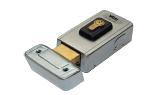
- Electromechanical Locks
- Viro Gate Locks
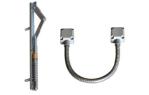
- Lock Accessories
- Gate Lock Accessories
- Controls
- Boxed Control Units
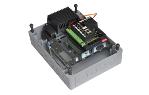
- StarG8/24NG Boxed
- For King Gates 24v Motors
- StarG8/24XLNG Boxed
- For King Gates Jet XL24
- StarG8/ACNG Boxed
- For King Gates 230v Motors
- Control Units
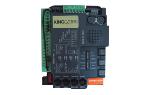
- StarG8/24NG
- For King gates 24v Motors
- StarG8/24NGXL
- For King Gates Dynamos24 XL
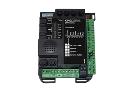
- StarG8/ACNG
- For King Gates 230v Motors
- BATTERY BACK-UP
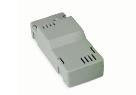
- BAT-K3 Charge Card
- For Star24G8 & StarG824NG
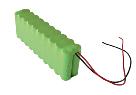
- BATM016 Battery Pack
- For the BATK2 & BATK3
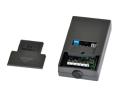
- BAT-K2 Charge Card
- Suitable for the Star224KG
- RELAYS / TIMERS

- Tradesman Timer-24V
- 7 Day Programming
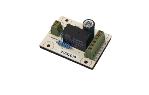
- Handy Little Relay
- 7v to 36v - 2 x Outputs
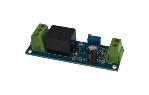
- 12V Time Delay Relay
- From 1 to 10 Seconds
- Other Accessorise
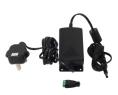
- Power Supplies
- 12v PSU & Power Converters
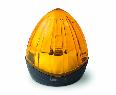
- Electric Gate Lights
- Curtesy & Flashing Lights
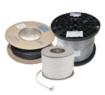
- Cables
- Low voltage Cables
- Safety
- Photo Safety Sensors

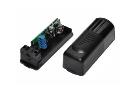
- King Gates Viky30
- Standard Fixed Beams
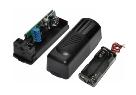
- King Gates Viky 180
- Adjustable 180 Degree Beams
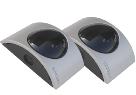
- King Gates Viky B2
- Battey Adjustable 180 Degree
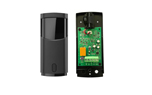
- King Gates Novo 180
- Vandal resistant, Adjustable 180 Degree
- NB180 Universal Beams
- Adjustable 180 Degree

- Viky RF Universal Beams
- Reflective Safety Beam
- SAFETY EDGE CARDS
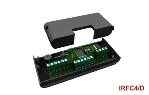
- IRFC4/D
- 8K2 control card
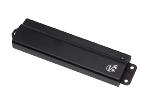
- Radio Edge Transmitter
- Universal Edge Transmitter
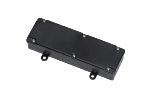
- Radio Edge Receiver
- Universal Edge Receiver
- 8K2 SAFETY EDGES
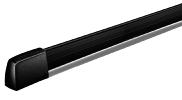
- CMO 150
- 1.5 Meter Safety Edge
- CMO 170
- 1.7 Meter Safety Edge
- CMO 200
- 2.0 Meter Safety Edge
- STANDARD SAFETY EDGES
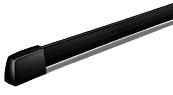
- Slim 1500 / CMM
- 1.5 Meter Safety Edge
- Slim1700 / CMM
- 1.7 Meter Safety Edge
- Slim 200 / CMM
- 2 Meter Safety Edge
- ACCESSORIES
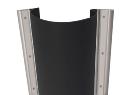
- Gate Hinge Guard
- Hinge Guard Finger Protection
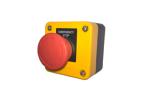
- Emergency Stop
- Emergency Stop Button
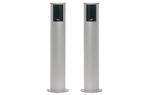
- Photo Beam Towers
- 500mm or 1000mm High
- Offers
Best Sellers
GatesGates © 2021 - Automatic gates, electric gates and gate automation kits